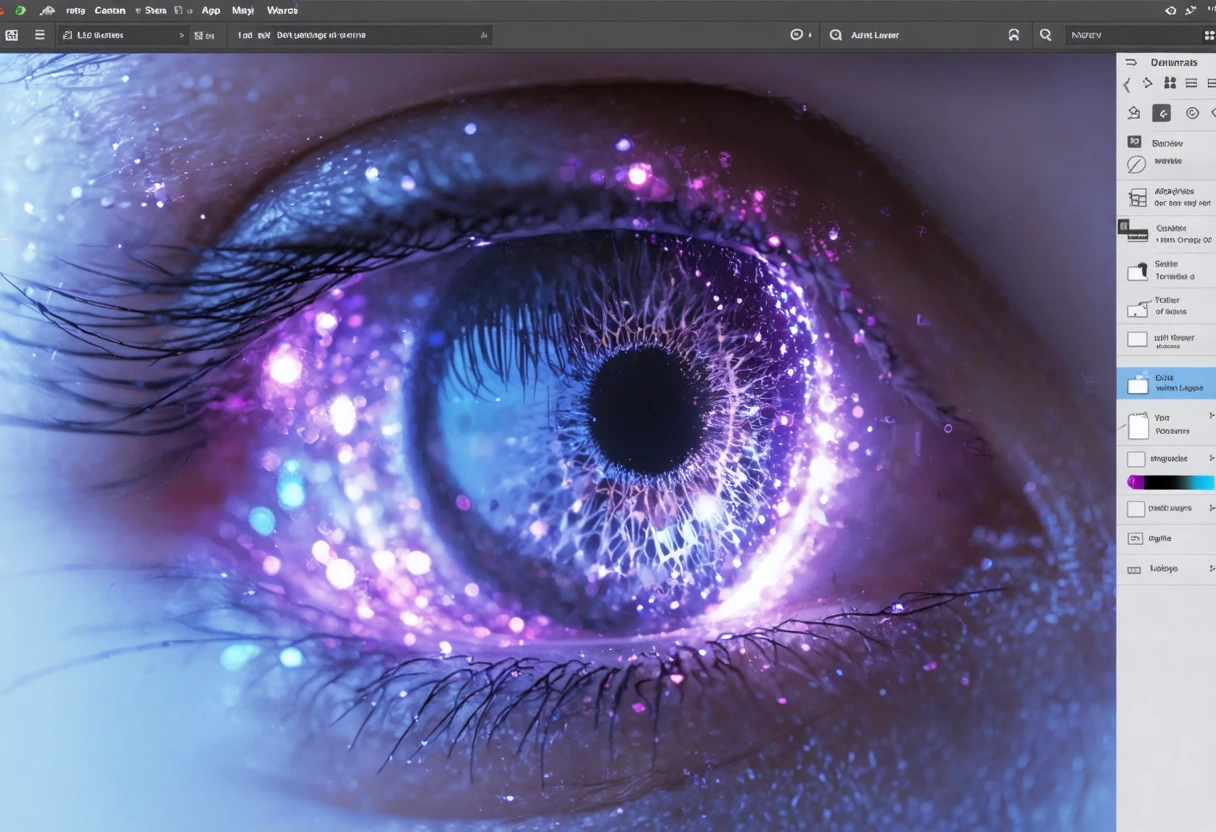
Canva has unveiled a significant addition to its design platform, introducing a tool capable of converting flat image files and AI-generated visuals into fully layered, editable compositions. The feature, called Magic Layers, entered public beta today across four English-speaking markets: the United States, the United Kingdom, Canada, and Australia.
The technology addresses a longstanding friction point for designers working with pre-rendered or AI-generated imagery. Rather than rebuilding a design from scratch, users can now isolate individual components — including objects, text boxes, and embedded graphics — while the original layout remains structurally intact. This represents a meaningful shift in how non-destructive editing can be applied to previously static assets.
The capability stems from work conducted internally by Canva's artificial intelligence research division. According to the company's chief product officer, the breakthrough was substantial enough to fundamentally change the editing workflow for everyday users.
"After a breakthrough from our AI research team, we're introducing Magic Layers so anyone can take a flat image and turn it into a fully editable design inside Canva. There's no need to start over, or to figure out …" — Cameron Adams, Chief Product Officer, Canva
The practical implications for creative professionals and business users are considerable. Teams that regularly work with imported imagery, stock visuals, or AI-generated content will gain the ability to repurpose and refine those assets directly within Canva's ecosystem, eliminating the need for external editing software or time-intensive recreation of layouts.
Magic Layers is currently available in public beta, signaling that the feature remains under active development. Canva's phased regional rollout suggests the company is managing infrastructure and feedback carefully before a broader global release.