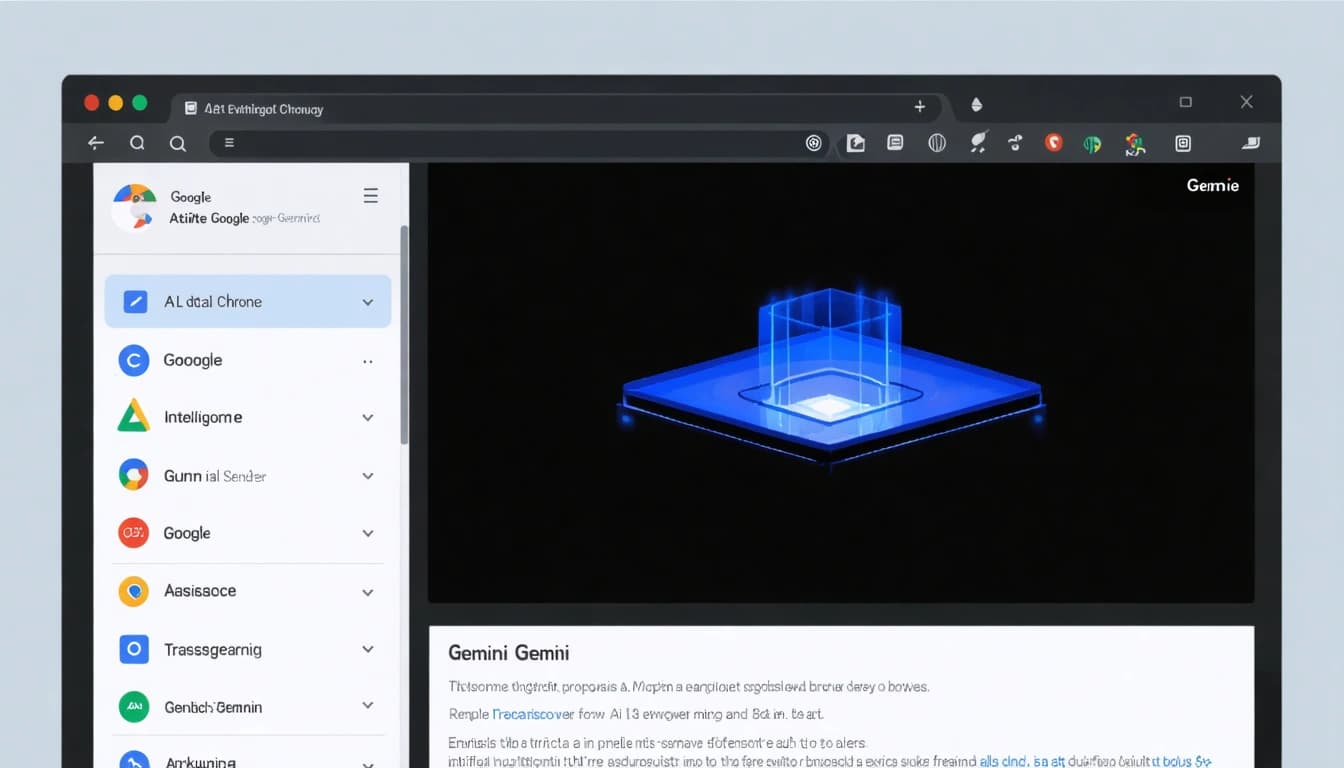
Google is expanding the reach of its artificial intelligence platform by embedding Gemini directly into the Chrome browser, marking a significant step in the company's effort to make AI assistance a seamless part of everyday computing. The integration introduces a dedicated sidebar on desktop, positioning Gemini as an always-available resource tied closely to whatever content a user is currently viewing. This move signals Google's broader ambition to weave generative AI into the fabric of its most widely used products.
At the core of the feature is the ability for users to pose questions about content displayed on their screen without leaving the browser or switching between applications. Rather than copying text and pasting it into a separate AI interface, Chrome users will be able to engage with Gemini contextually, receiving answers and analysis grounded in what they are actively reading or watching. This contextual awareness represents a meaningful departure from standalone chatbot experiences.
The integration does not stop at on-screen content. Gemini within Chrome will draw on information from a user's connected Google services, including Gmail, Keep, Drive, and YouTube, enabling it to surface relevant data from across a user's digital ecosystem. This cross-platform connectivity positions the assistant as something closer to a personal knowledge hub than a simple question-and-answer tool.
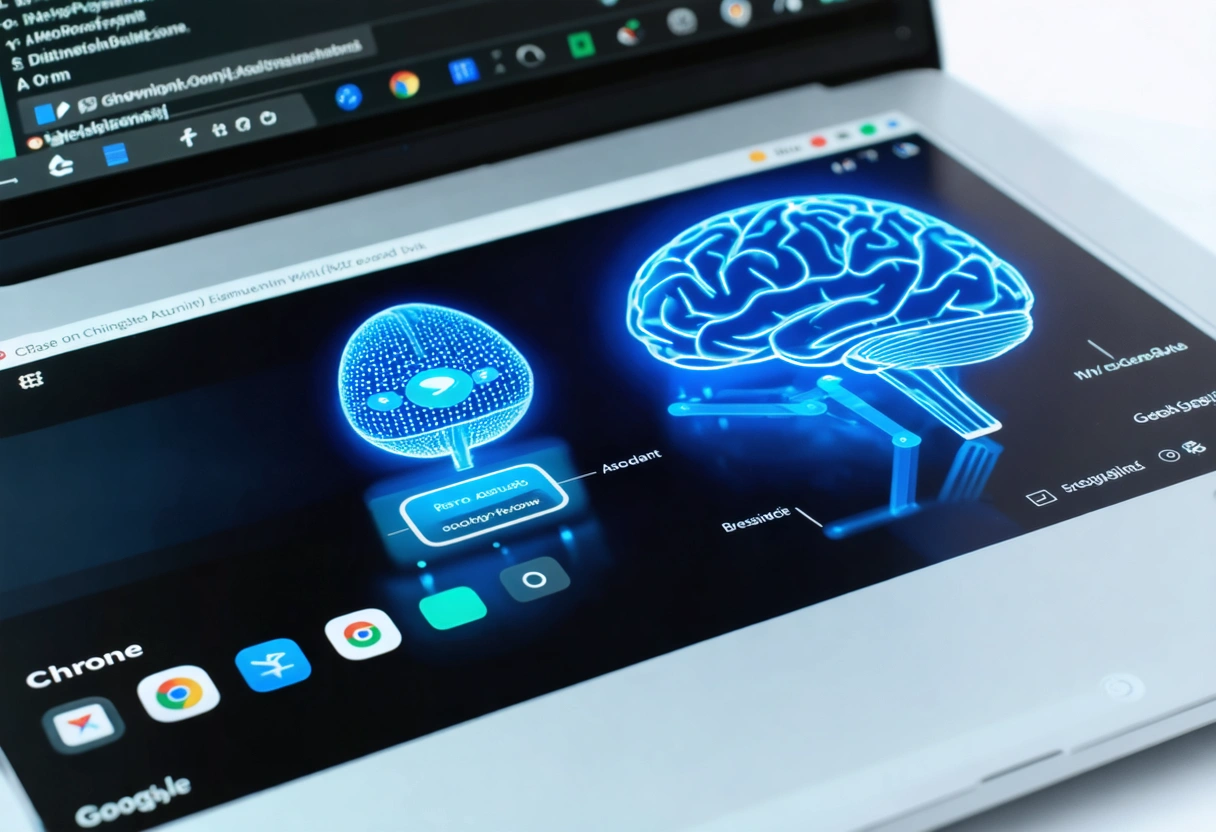
Among the more practically useful capabilities is the option to compare tab contents, a function that could prove valuable for professionals conducting research, evaluating vendor proposals, or reviewing multiple documents simultaneously. Rather than manually switching between open tabs, users can delegate the comparison task to Gemini and receive a synthesized output directly within the sidebar. This kind of workflow automation reflects the growing expectation that AI tools should reduce cognitive load rather than simply answer isolated queries.
The rollout represents a continuation of Google's strategy to differentiate Chrome from competing browsers by embedding proprietary AI capabilities that leverage its existing suite of services. For enterprise users and power users alike, the depth of integration with productivity tools such as Drive and Gmail may prove to be a compelling reason to consolidate workflows within the Chrome environment. As AI assistance becomes an increasingly standard feature across software platforms, Google's move to anchor Gemini within its dominant browser underscores the competitive stakes in this rapidly evolving landscape.