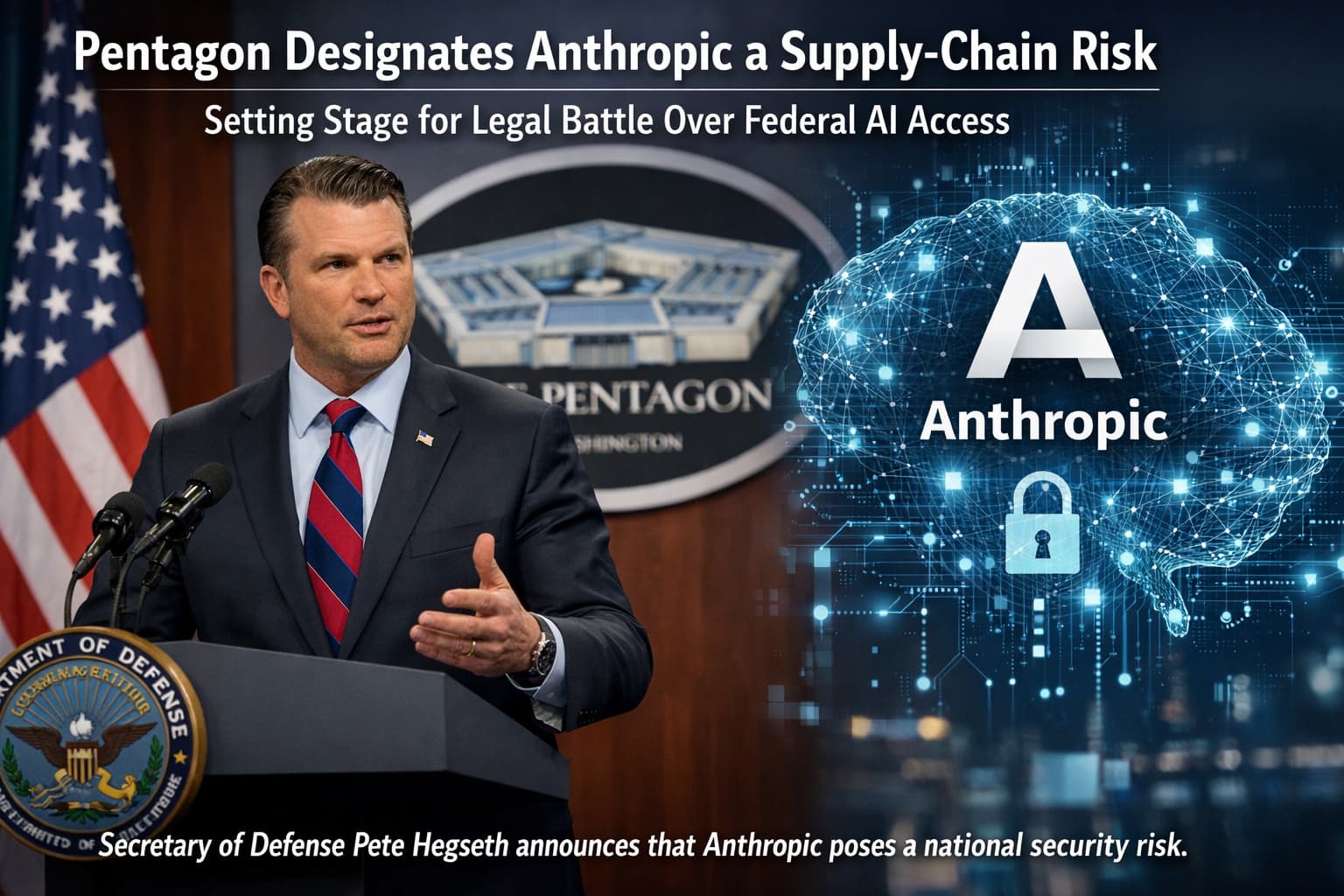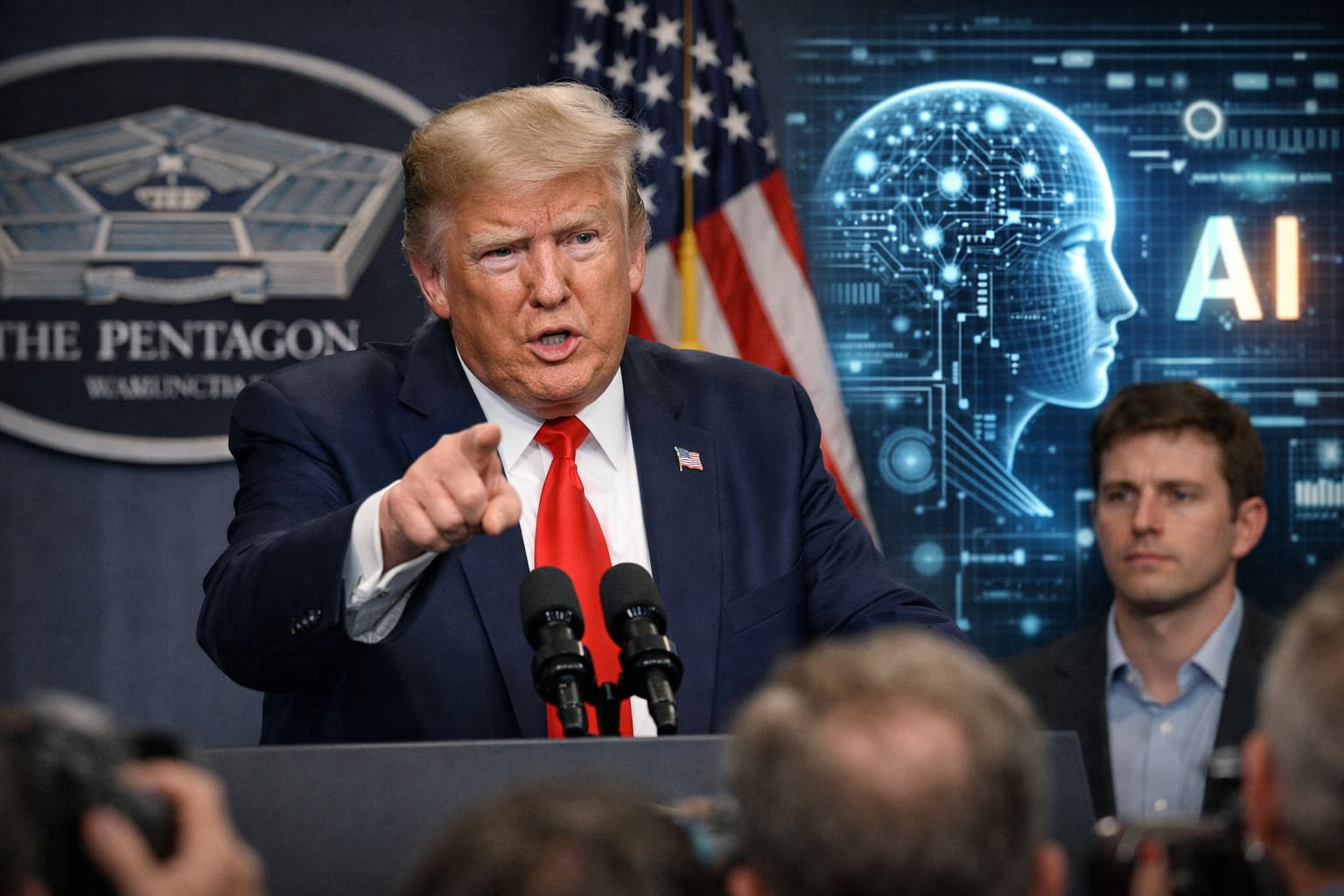
A public dispute between the White House and one of the most prominent artificial intelligence companies in the United States escalated sharply on Friday, when President Donald Trump took to Truth Social to level serious accusations against Anthropic, the company behind the AI assistant Claude. Trump alleged that Anthropic was attempting to "STRONG-ARM" the Pentagon and called on federal agencies to "IMMEDIATELY CEASE" use of its products.
At the center of the conflict is a contractual disagreement involving Anthropic CEO Dario Amodei, who declined to sign an updated agreement with the United States military. The agreement in question would have committed Anthropic to permitting "any lawful use" of its technology by the Department of Defense — a condition mandated by Defense Secretary Pete Hegseth in a memo issued in January.
Amodei's refusal has generated significant tension not only at the executive level but also within the broader technology industry, where many workers have expressed frustration over the direction of AI procurement and military partnerships. The standoff reflects a growing friction between government demands for expansive AI access and the ethical boundaries that some AI developers are seeking to maintain.
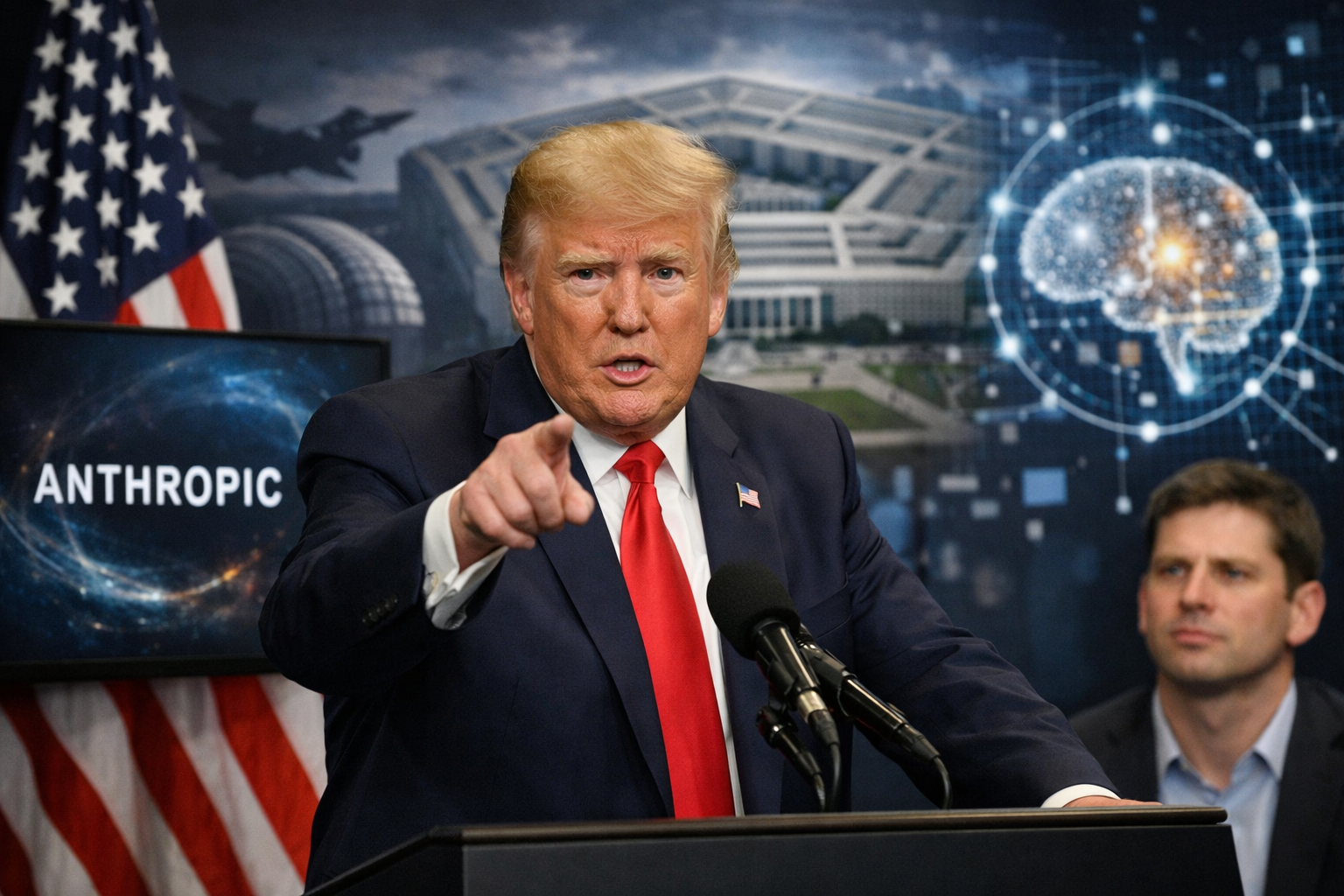
The terms of the proposed agreement are particularly significant in scope. As previously reported, acceptance of the contract would have granted the US military the ability to deploy Anthropic's services for purposes including mass domestic surveillance — a prospect that appears to have been a decisive factor in the company's decision to walk away from the deal.
The dispute raises broader questions about the conditions under which private AI companies should be expected to serve government and defense interests, and what oversight mechanisms, if any, govern such arrangements. With the Trump administration now publicly pressuring Anthropic through social media and threatening to redirect federal agency contracts, the outcome of this standoff may set a significant precedent for how AI firms navigate relationships with military and intelligence clients going forward.